Source Horizontal Grain Peeling Machine for Wheat, Rice, Corn
Compare 30 horizontal grain peeling machines from verified Chinese suppliers. These units handle wheat, rice, and corn processing with options for vertical or horizontal configurations, 220V or 380V voltage, and CE or ISO certifications.
Key considerations
Products List




Comprehensive Sourcing Guide
Strategic Sourcing Guide for Horizontal Grain Peeling Machines
The global demand for efficient grain processing equipment has driven a significant shift toward specialized machinery capable of handling diverse agricultural inputs with minimal waste. For procurement professionals seeking a horizontal grain peeling machine, the sourcing landscape presents a complex array of technical configurations, regulatory requirements, and operational capabilities. This guide synthesizes observed market data and verified product attributes to provide a disciplined framework for evaluating potential suppliers and selecting equipment that aligns with specific operational needs. The focus remains strictly on evidence-based attributes derived from current market listings, ensuring that procurement decisions are grounded in verifiable facts rather than speculative claims.
Technical Configuration and Operational Specifications
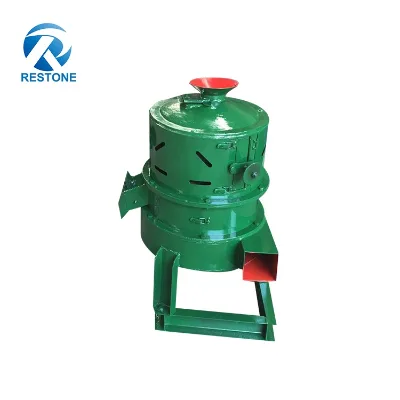
When evaluating a horizontal grain peeling machine, the primary differentiator lies in the mechanical configuration and the specific parameters of the processing unit. Market observations indicate that while "vertical" configurations exist, the horizontal orientation is often preferred for specific throughput requirements and floor-space optimization. The horizontal design typically facilitates a different flow of material, which can be critical for processes involving peeling or polishing of grains like wheat, corn, or rice.
A critical technical parameter to verify is the voltage compatibility, as industrial power grids vary significantly by region. Data from current listings shows a prevalence of 220V units, but a significant segment of the market also offers 380V configurations, with some models supporting a dual voltage range of 220V/380V. Procurement teams must align the machine's electrical requirements with the facility's infrastructure to avoid costly retrofitting. Furthermore, the power consumption is a key efficiency metric; observed models feature power ratings such as 7.5KW, which serves as a baseline for energy budgeting.
The physical dimensions of the machinery are equally vital for plant layout planning. Specific model data indicates a footprint of approximately 900mm in width, 600mm in depth, and 1200mm in height. However, buyers should not assume this is a universal standard, as other models may differ. The weight of the unit, observed at 130kg for certain configurations, impacts shipping logistics and foundation requirements. Additionally, the core components, such as bearings, are essential for the longevity of the machine. Buyers should explicitly request details on the brand and grade of these core components, as they directly influence the machine's resistance to wear and tear during continuous operation.
Compliance, Certification, and Origin Verification
Navigating the regulatory landscape is a non-negotiable aspect of international procurement. The origin of the machinery is a primary factor in determining compliance with local safety and environmental standards. Verified data confirms that the majority of these machines originate from China, specifically from the Shandong province, a known hub for agricultural machinery manufacturing. This geographic concentration often implies a mature supply chain but requires rigorous vetting to ensure quality consistency.
Certification status is a critical filter for risk management. Listings frequently cite compliance with CE (Conformité Européenne) and SGS standards, which are essential for entry into many international markets. Additionally, ISO 9001 certification is often referenced, indicating that the manufacturer adheres to international quality management systems. However, the presence of a "Certification of Origin" is also noted, which is distinct from product safety certifications and is required for customs clearance and duty assessment.
Buyers must verify that the specific unit they are purchasing carries the relevant certifications for their target market. The standard "CE, ISO" combination suggests a focus on both safety and quality management, but the absence of these specific marks in a listing should trigger a request for documentation. It is important to note that while "Certification of Origin" is listed as "Yes" for some items, this does not automatically guarantee that the machine meets the specific safety directives of the buyer's country. The buyer must confirm that the manufacturer can provide the full technical file supporting the claimed certifications.
Cost Drivers and Pricing Dynamics
The pricing structure for horizontal grain peeling machines is influenced by a complex interplay of customization, capacity, and included services. The observed market price range is vast, spanning from $188 to $39,999. This extreme variance indicates that the base price is not a reliable indicator of the final cost. The lower end of the spectrum likely corresponds to smaller, less customized units or basic models, while the higher end reflects heavy-duty industrial machines with advanced features, higher capacity, or extensive customization.
A significant cost driver is the level of customization. The market data confirms that customization is available, with many suppliers offering "Customized" options where the color, dimensions, or specific functional modules can be tailored to the buyer's requirements. The attribute "is_customized: Yes" suggests that the standard model may be a starting point, and the final price will depend on the scope of these modifications. Additionally, the "Press Series" designation, ranging from "Second" to "Fourth," implies different generations or capacity tiers of the technology, which directly impacts the unit price.
Shipping and packaging also contribute to the total cost of ownership. The standard packaging is often described as a "Wooden Box" or a "Wooden Fumigated Box," which is necessary for international sea shipping to prevent pest infestation. Some listings mention "Export Standard Suitable for Sea Shipping," which implies reinforced packaging that may incur higher freight costs but reduces the risk of damage during transit. Buyers should factor in the cost of these specialized packaging solutions when comparing quotes from different suppliers.
Typical Applications and Material Compatibility
The versatility of the horizontal grain peeling machine is a key selling point for buyers in the agricultural processing sector. The observed applications cover a wide range of grains, including wheat, corn, and rice. Specific listings identify the machine as a "Flour Mill" or "Rice Mill," indicating that the same horizontal platform can be adapted for different processing stages depending on the roller configuration and screen size.
The material compatibility is further defined by the "Press Materials" attribute, which explicitly lists rice and corn. This suggests that the machine is designed to handle the hardness and texture of these specific grains without excessive wear. The "use" attribute confirms the primary function as "peeling the grain," which is a critical step in preparing grains for flour production or direct consumption.
For buyers considering a multi-grain facility, the "Application: All" attribute found in some listings is particularly relevant. This suggests that certain models are engineered to be adaptable, potentially allowing for quick changeovers between different grain types. However, the "Type: Grain Processing Equipment" classification is broad, and buyers must verify the specific roller settings and screen specifications to ensure the machine can handle their specific grain variety effectively. The "Feature: Save Power and Labor" indicates that these machines are designed for efficiency, which is a crucial consideration for high-volume operations where energy costs and labor expenses are significant.
Supplier Evaluation and After-Sales Support
Selecting the right supplier involves more than just comparing technical specifications; it requires a deep dive into the supplier's commitment to after-sales support. The market data highlights "online support" as a standard service provided, which is essential for troubleshooting operational issues without the need for immediate physical intervention. This digital support channel can significantly reduce downtime and maintenance costs.
The warranty period is another critical metric for supplier reliability. A "1 Year" warranty is commonly observed, which sets a baseline expectation for product durability. However, the "After Warranty Service" attribute, which lists "Spare parts" as a provision, is equally important. Buyers should verify the availability and lead time for spare parts, particularly for core components like bearings. The availability of a "machinery test report" is also a strong indicator of supplier transparency, as it provides third-party or internal verification of the machine's performance before shipment.
When evaluating suppliers, buyers should look for those who offer "Customized" solutions and have a clear track record of providing "online support." The presence of a "brand name" such as "RT" in some listings suggests that established brands exist in this sector, but buyers should not rely on brand recognition alone. Instead, they should request references and case studies from other clients who have purchased similar models, such as the NF15A or XMS-30, to gauge real-world performance.
Long-Term Procurement and Quality Assurance
Long-term procurement success depends on a proactive approach to quality control and lifecycle management. The "Condition: New" attribute is standard, but buyers must ensure that the "New" status implies a machine that has not been refurbished or used, as this can affect the warranty and performance. The "Production Capacity" of 500-600 kg/h observed in some models provides a benchmark for throughput, but buyers should verify if this capacity is consistent under load and with different grain types.
Quality assurance should extend beyond the initial purchase. The "Selling Units: Single item" format suggests that these machines are often sold as standalone units, which simplifies the procurement process but requires careful integration into existing production lines. Buyers should plan for the "dimension(lwh)" of the machine in their facility layout to ensure adequate space for operation and maintenance.
Finally, the "Standard" attribute, which includes "CE, SGS" or "CE, ISO," serves as a proxy for the manufacturer's adherence to quality norms. However, buyers must treat these as observations and verify that the specific unit they receive matches the certified standard. The "Color: As required" or "According to Your Requirement" options allow for branding consistency, but the paint quality and durability should be specified in the contract to ensure the machine withstands the industrial environment. By focusing on these evidence-based attributes, buyers can mitigate risks and secure a reliable horizontal grain peeling machine that meets their operational demands.
FAQs
What voltage options are available for horizontal grain peeling machines?
Available voltage options include 220V, 380V, and a dual range of 220V/380V. Buyers must verify their facility's power grid compatibility before purchasing to avoid costly retrofitting or equipment damage.
Which certifications should I look for in a horizontal grain peeling machine?
Common certifications include CE, SGS, and ISO 9001, along with a Certification of Origin. These marks indicate compliance with safety and quality management standards, but buyers must request full technical files for verification.
Can I customize the color and dimensions of the machine?
Yes, customization is available for color and dimensions according to your specific requirements. The final price will depend on the scope of these modifications and the selected press series tier.
What is the typical warranty period for this equipment?
The standard warranty period is 1 year, with after-warranty service providing spare parts. Buyers should verify the availability and lead time for core components like bearings to ensure long-term operational support.
How much does a horizontal grain peeling machine typically cost?
The observed price range spans from $188 to $39,999 depending on customization and capacity. Lower prices usually correspond to basic models, while higher costs reflect heavy-duty industrial units with advanced features.
What are the standard packaging requirements for shipping?
Standard packaging includes wooden boxes or wooden fumigated boxes suitable for sea shipping. Some models use export-standard packaging to prevent pest infestation and reduce the risk of damage during transit.